
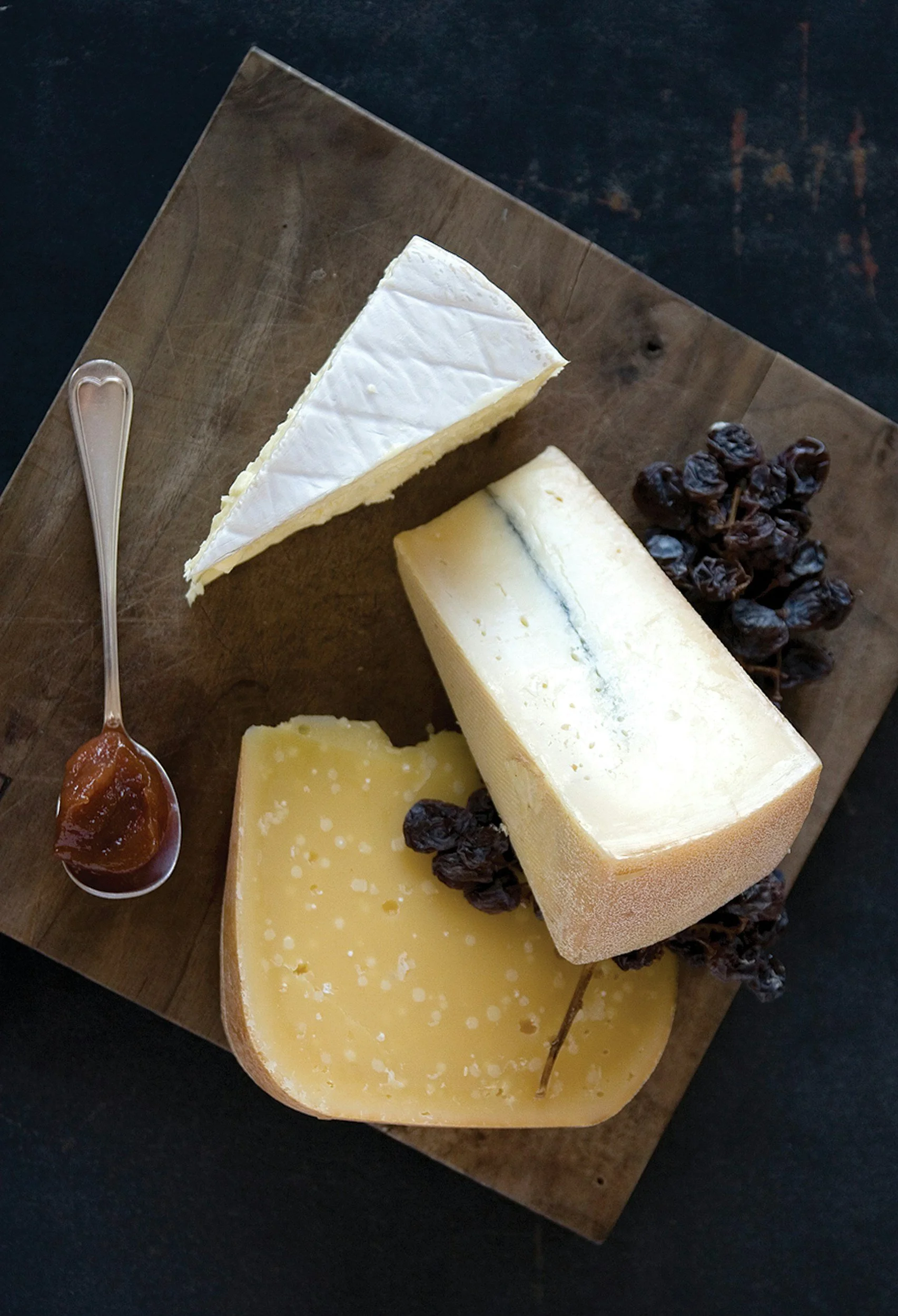
Seasonal Cheeses
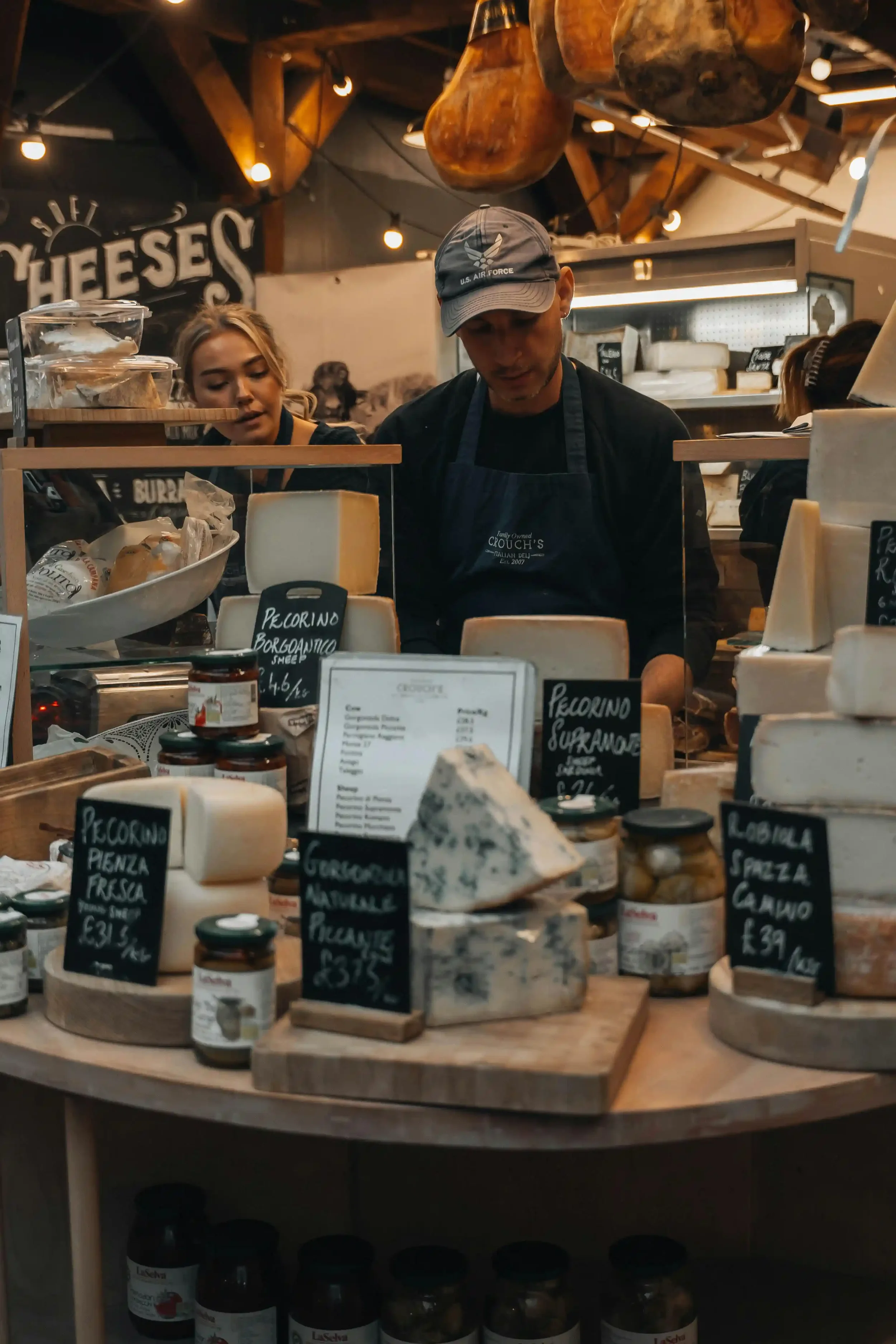

In the world of artisanal cheese, there are people who don't just sell a product, but translate it, contextualize it, and bring it to the table of those who appreciate it. These people are cheesemongers (a term used in the United Kingdom and countries like Australia, Canada, New Zealand, and the USA) or fromagers (a term used in French-speaking countries). Cheesemongers are the link between producers and consumers.
They are the specialists who know how to recognize correct ripening, cut the cheese with precision in terms of both weight and technique, make appropriate recommendations in accordance with the consumer's taste or the occasion for which the cheese is purchased, and, last but not least, respectfully explain the work behind each piece of cheese.
In Romania, the term “Cheesemonger” is one that still sounds exotic. Not because the job could not exist here, but because there was not yet a clear need to define the people behind the cheese displays. In the international cheese culture, however, the word cheesemonger has old roots. It comes from medieval England, from the period when the term monger was used for specialized traders ( fishmonger , ironmonger ). If in the Middle Ages the role was predominantly commercial, today we are talking about a structured and necessary profession.
These professionals don't just sell cheese. They carefully choose the producers they work with and decide which cheeses are worthy of being part of their portfolio. Moreover, they carefully care for them in the sales or ripening areas of the store, using well-mastered techniques, until the cheese reaches the customer.
Depending on the specifics of the clientele, some cheesemongers collaborate directly with producers to create personalized versions of cheeses, confidently assuming the role of affineur.
In traditional markets, a cheesemonger knows the production process, recognizes the styles of cheese and the terroir that influences their taste and texture. And perhaps most importantly: knows how to identify the optimal moment when a cheese is worth enjoying.
In recent decades, with the growing interest in artisanal cheeses, the cheesemonger profession has evolved, and one of the competitions that supports this evolution is the Young Cheesemonger of the Year organized by the Academy of Cheese.
The Young Cheesemonger of the Year Award celebrates professionals under 30 who demonstrate solid cheese knowledge, technical dexterity, clear communication and a deep understanding of the responsibility of the role.
It is not a superficial competition nor a simple honorary title. The Academy of Cheese has managed over time to transform this event into a platform for recognizing the new generation of specialists, those who carry forward the culture of cheese in an informed, rigorous and integrity-based manner.
The competition debuted in 2019 at the British Cheese Awards , and its growing visibility and prestige has now brought it to the World Cheese Awards , one of the most important events in the global industry.
The process begins with an application phase: candidates from around the world submit a short presentation and propose a selection of cheeses for a cheeseboard, respecting a pre-established budget. It is an exercise that tests curatorial thinking, balance of styles, seasonality and attention to the audience.
From all the applicants, only six finalists are selected, who compete in the final, live at the World Cheese Awards .
There they go through five consecutive tests:
The jury evaluates rigor, coherence, technical skills, but also the ability to communicate clearly and with respect for the product and the tradition behind it.
On the international cheese scene, a well-trained cheesemonger plays a crucial role: he educates the public, supports producers, keeps traditions alive, and helps artisanal cheeses get in front of those who will appreciate them.
Competitions like the Young Cheesemonger of the Year, in addition to being an exercise in individual talent, are also a mechanism for professionalization and maintaining standards in the industry. These types of competitions create role models, stimulate continuous training and give the profession the visibility it deserves.
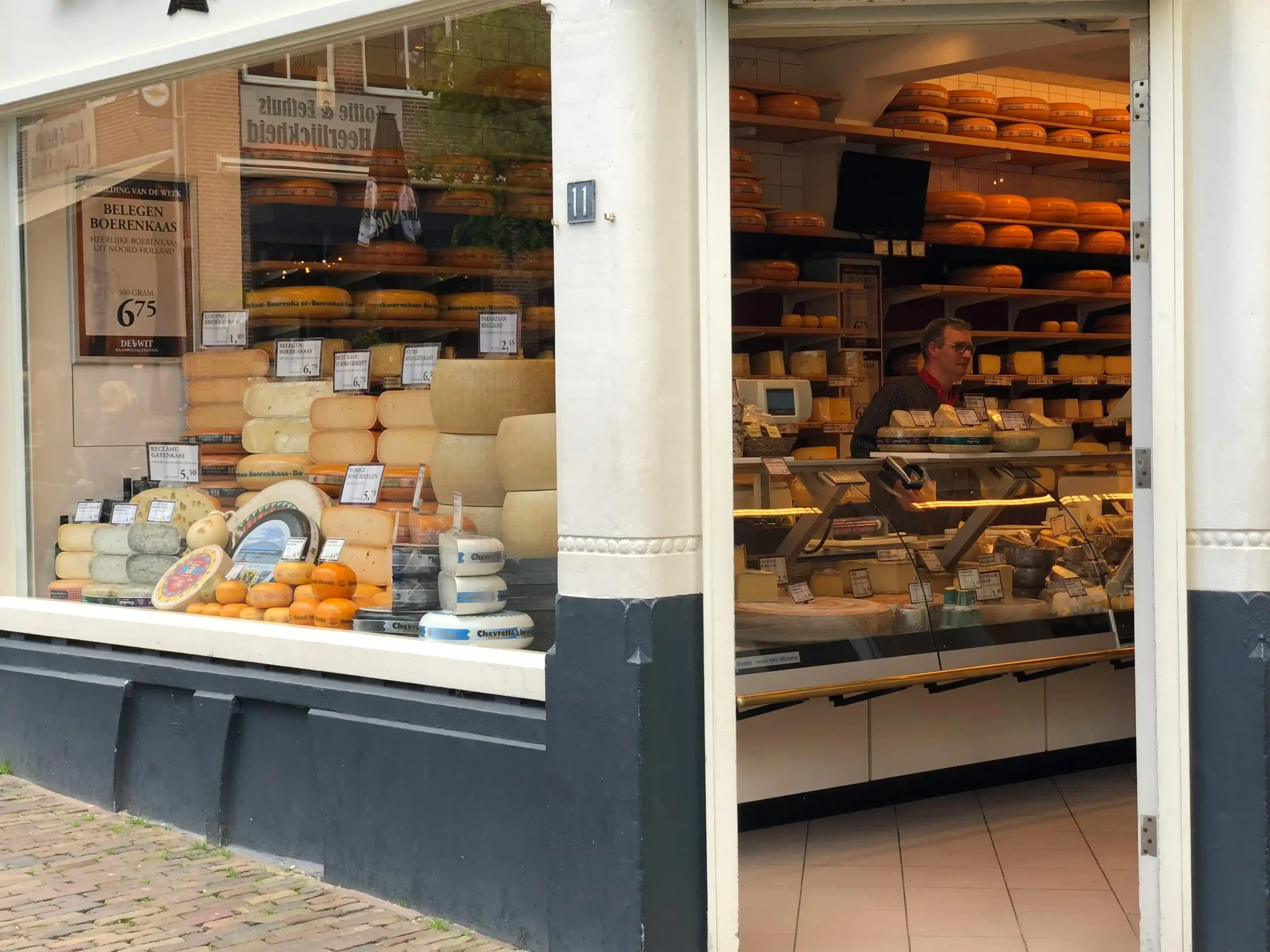
Specialty cheese shop
In Romania, we don't have any participants yet, and the term cheesemonger, as I mentioned previously, still arouses astonishment.
But, this lack is not a minus; it is a beginning!
We are at a time when the number of artisan producers is growing, people are becoming more curious, and dedicated training is starting to take shape. International programs, such as the Academy of Cheese , bring context, structure, and professional vocabulary. From here, the path can be built: through education, through curiosity, and through that combination of passion and discipline that allows a new craft to flourish.
This growth space is an opportunity. As the market evolves, new roles, new standards and, inevitably, new people emerge to take the profession to the international level.
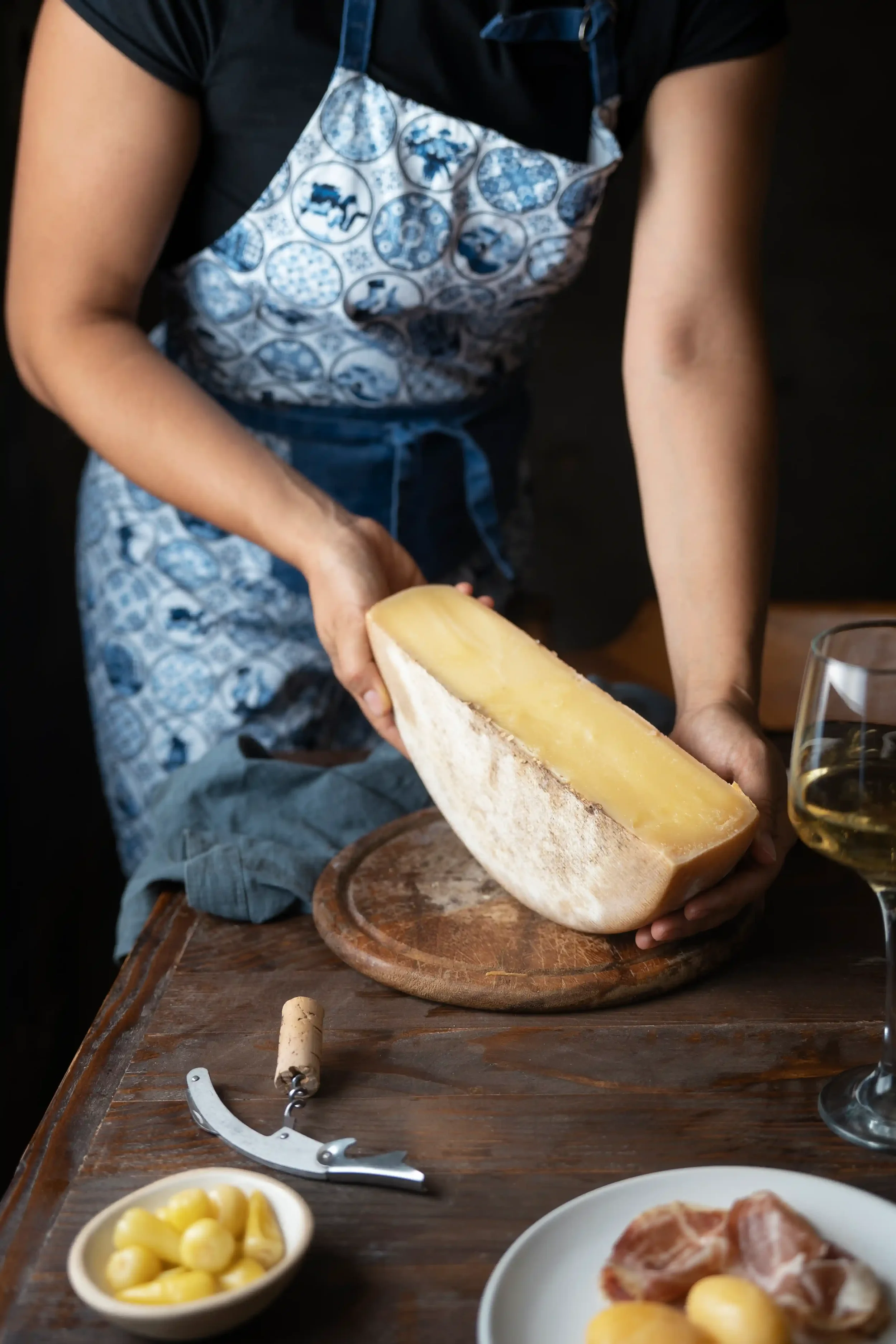
Young Cheesemonger of the Year is a barometer of dedication to cheese, a catalyst for future generations, and a mirror of how cheese culture is developing globally.
I like to dream that one day we will also have a fromelier or a cheesemonger in this competition.
Between November 12-14, I will be in Bern, jury member for the World Cheese Awards 2025-2026 and will also be closely following the Young Cheesemonger of the Year . I promise to come back with impressions, images and details directly from behind the scenes, because such moments are worth sharing with those who love and respect cheese.
If you are interested in how cheeses are evaluated globally and what happens behind the scenes of competitions, you can find all the relevant articles in the International Competitions category.