

Academy of Cheese
Judging & Awards
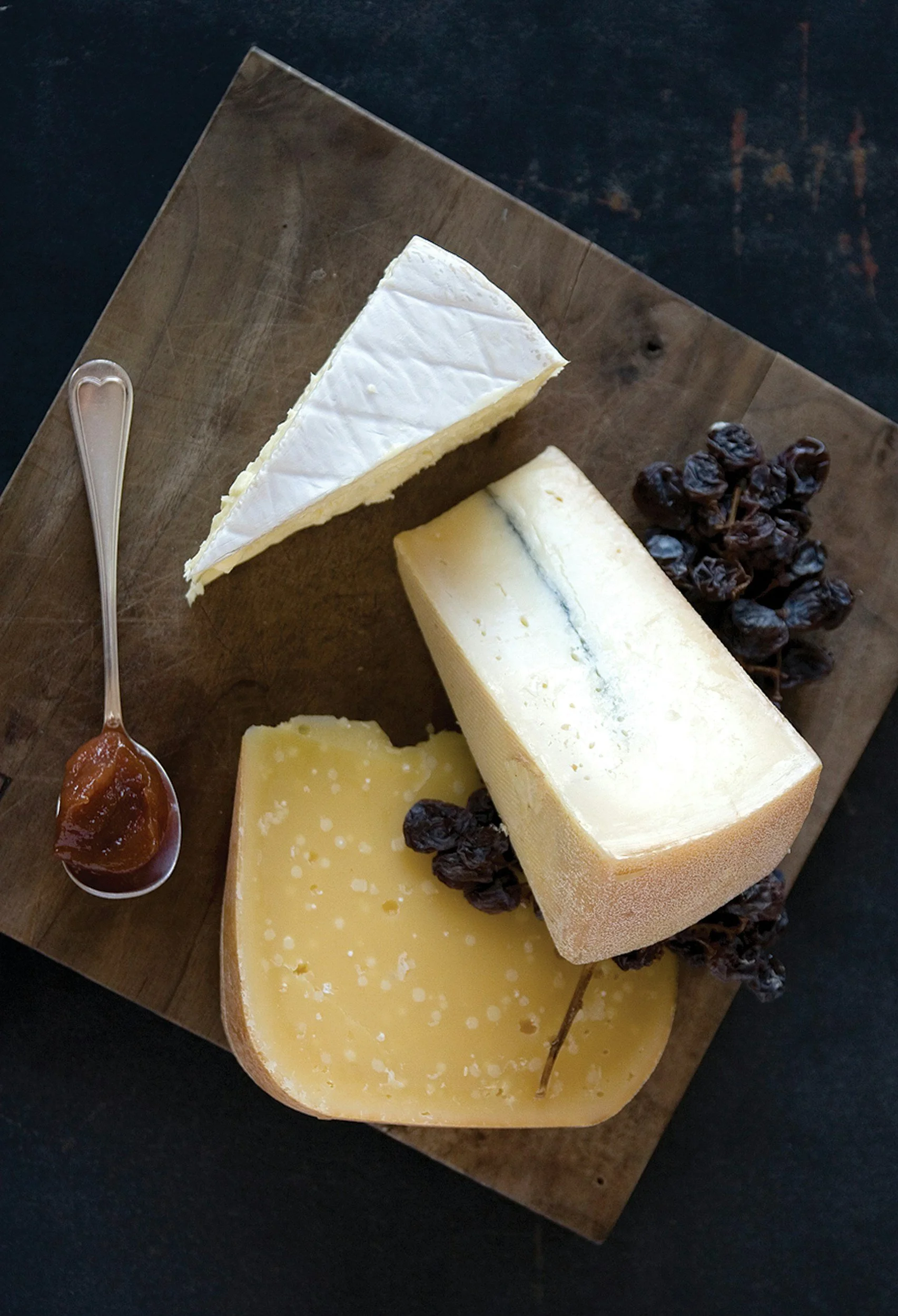

The Easter meal is rarely one you rush. It is a meal to settle into, one where dishes keep arriving, conversations naturally grow longer, and people stay around the table for far more than just the main course.
In that setting, a cheese platter earns its place very naturally. It is not simply something extra to put on the table out of habit, but a course that helps extend the meal with ease. A well-chosen selection brings contrast, texture, and variety, without feeling too heavy.
Whether you choose three, four, or five cheeses, the secret is not the number itself, but the balance between them. A few simple principles are enough to make everything work together without overcomplicating the platter.
If you want a cheese platter that fits easily into a generous Easter meal, three cheeses are often enough. This gives you variety without turning the platter into something that needs too much explanation or attention.
A well-ripened Camembert is often the easiest place to begin. Under the rind, the texture becomes soft and creamy, while the centre remains slightly firmer. The flavour is rounded and expressive, but not overpowering.
It works especially well with something fresh on the side, such as apple or pear, which helps cut through the richness and brighten the overall taste.
Tomme de Savoie gently shifts the direction of the platter. It is firmer in texture, slightly elastic, and carries subtle nutty notes with a restrained, balanced character.
This is the kind of cheese that stays comfortable on the table from beginning to end. It does not overwhelm the palate and creates a smooth transition between the other cheeses.
For contrast, a milder blue is often the better choice. Fourme d’Ambert brings the characteristic blue cheese note, but in a softer, more balanced way. Its texture is creamy and the flavour is present without becoming aggressive.
It changes the tone of the platter just enough, while still leaving room for everything else.
If three cheeses create a strong foundation, a fourth should add a new dimension rather than repeat what is already there. The goal is not simply to increase the quantity, but to introduce a different texture, milk type, or style.
Chabichou du Poitou brings exactly the kind of freshness that works well in a rich meal. Its texture is smooth and creamy, while the flavour remains delicate, with milky notes and a gentle goat’s milk character.
It adds brightness to the platter without demanding too much attention.
Ossau-Iraty offers a subtle but welcome shift. The texture is firm yet supple, and the flavour is warm, rounded, and slightly sweet, which is typical of sheep’s milk cheeses.
It adds interest without disturbing the harmony of the selection.
Young Comté brings structure and stability to the platter. Its texture is firm but still flexible, and the flavour is clean, balanced, and not too concentrated.
It is one of those cheeses that holds a selection together and connects easily with the others around it.
Softer and creamier than many other blue cheeses, Gorgonzola Dolce offers contrast without taking over. The texture is smooth and the flavour is rich enough to matter, while still remaining approachable.
It rounds out the platter with a gentle sense of depth.
If you want to take things a little further, five cheeses give you more room for variation and complexity. At this point, the selection needs a bit more discipline. Each cheese should bring something distinct, whether in texture, intensity, milk type, or style.
Délice des Crémiers opens the platter on a luxurious note. The texture is exceptionally creamy, and the flavour is rich yet calm, lingering pleasantly without feeling heavy.
It sets the tone with softness and generosity.
Idiazabal changes the pace. The texture is firmer, and the flavour feels more defined from the first bite. It brings a clearer, slightly more assertive profile that moves the platter away from the very creamy opening cheeses.
It adds shape and direction.
Pecorino Toscano has a denser texture and a more direct flavour profile. There is salinity, warmth, and the unmistakable character of sheep’s milk.
It brings energy and focus to the selection.
A vintage or extra mature Gouda adds another layer of texture and complexity. It is firmer, often with delicate crystals that give it a pleasing bite, while the flavour becomes deeper, more concentrated, and more persistent.
This is the cheese that brings maturity and depth to the platter.
Roquefort finishes the platter on a more confident note. It is intense, salty, and unmistakably defined, with a creamy texture that contrasts beautifully with the firmer cheeses around it.
Used well, it gives the selection a strong and memorable ending.
Even a well-chosen cheese platter can lose its appeal if it is not served properly.
Take the cheeses out of the fridge 30 to 45 minutes before serving. This gives them time to soften slightly and allows the aromas and flavours to open up.
Keep the bread simple. Good bread is enough. It should support the cheeses, not distract from them.
You can add a few extra elements if you like, such as fresh fruit, nuts, honey, chutney, or an interesting jam, but keep them in a supporting role. They should complement the cheeses, not compete with them.
Finally, do not overcrowd the platter. Leaving space between the cheeses makes them easier to cut, easier to appreciate, and easier to choose from. A platter feels more inviting when there is room for each element to breathe.